
Cart
Your Shopping Cart is Empty
You just started working out. You're eating better, sleeping more, and showing up consistently at the gym. But your trainer - or that fitness reel on Instagram - keeps saying one thing: "Are you taking protein?"
For most beginners in India, whey protein is where the journey into sports nutrition begins. And for good reason. It's the most researched, most effective, and most accessible protein supplement in the world.
But the market is noisy. Every brand claims to be the "best whey protein in India." So before you spend your hard-earned money, you deserve to understand exactly what you're buying, why it works, and how to pick the right product.
This guide covers everything - from what whey actually is to how to choose between isolate and concentrate - written for complete beginners.
Whey protein is a natural by-product of cheese-making. When milk is curdled and the solid curds are separated to make cheese, the thin liquid left behind is whey. That liquid is processed, filtered, and dried into the powder you mix with water or milk every day.
Whey is a complete protein, meaning it contains all nine essential amino acids your body cannot produce on its own - including leucine, isoleucine, and valine (the three branched-chain amino acids or BCAAs that are critical for muscle growth and repair).
Fast absorption: Whey digests quickly, making it ideal post-workout when your muscles urgently need amino acids.
High biological value (BV): Whey has a BV of 104 - higher than eggs (BV 100), meat, or plant proteins. BV measures how efficiently your body actually uses the protein consumed.
Rich in leucine: Leucine is the primary trigger for muscle protein synthesis. Whey contains more leucine per gram than almost any food source.
Understanding the differences between whey types helps you choose the right one for your budget and goals.
Whey concentrate is the most common and affordable form. It typically contains 70–80% protein by weight, with small amounts of carbohydrates (lactose) and fat retained from processing.
Best for: Beginners on a budget, recreational gym-goers, people who are not lactose-sensitive.
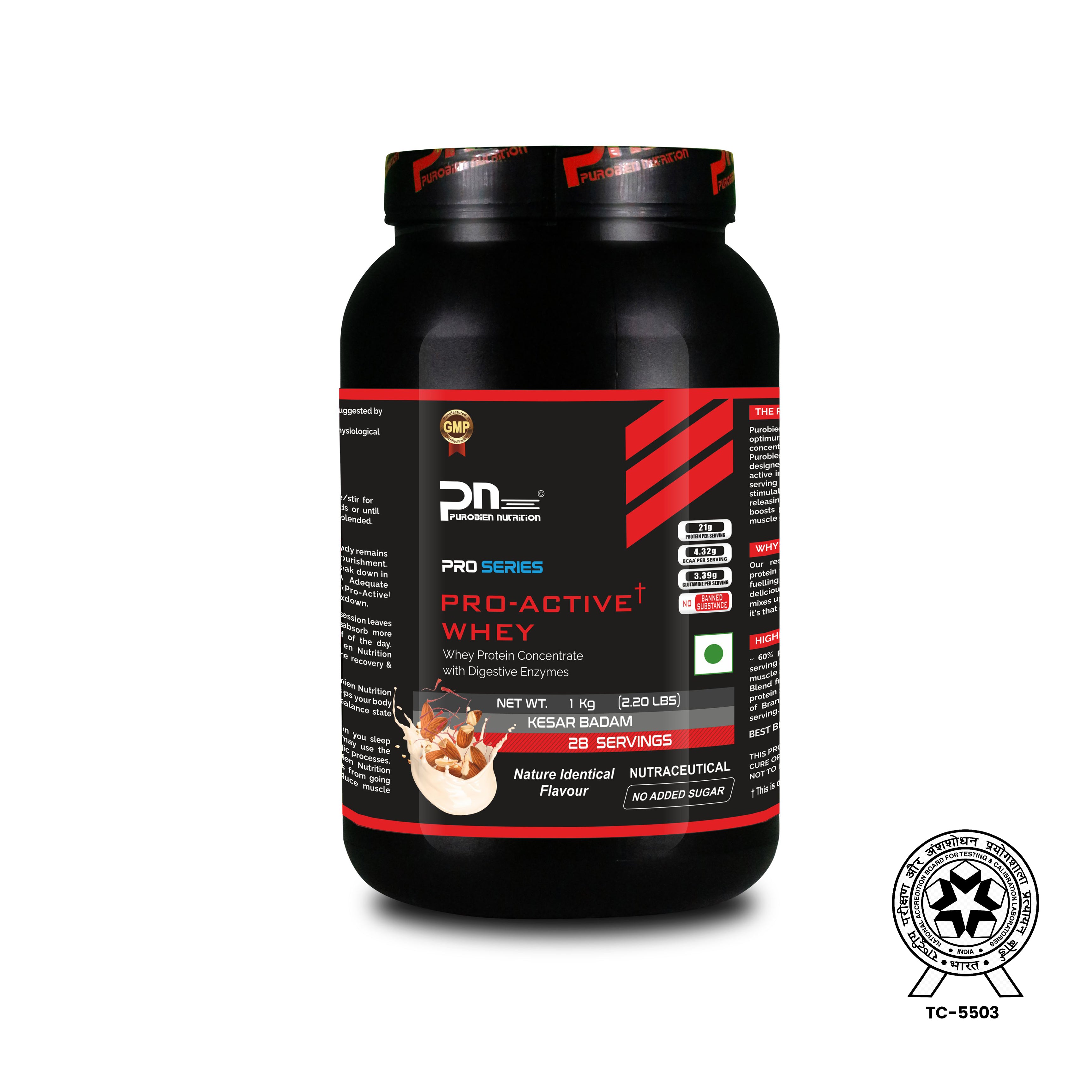
Purobien's pick: Pro Active Whey Protein Concentrate - delivers 21g of protein per serving, enriched with creatine, amino acids, and digestive enzymes for better absorption and muscle recovery.

Whey isolate undergoes extra filtration to remove most of the fat and lactose, resulting in a product that is 90%+ protein by weight. It is leaner, faster-absorbing, and easier on the stomach.
Best for: People targeting lean muscle gain, those who are lactose-sensitive, athletes with strict macros.
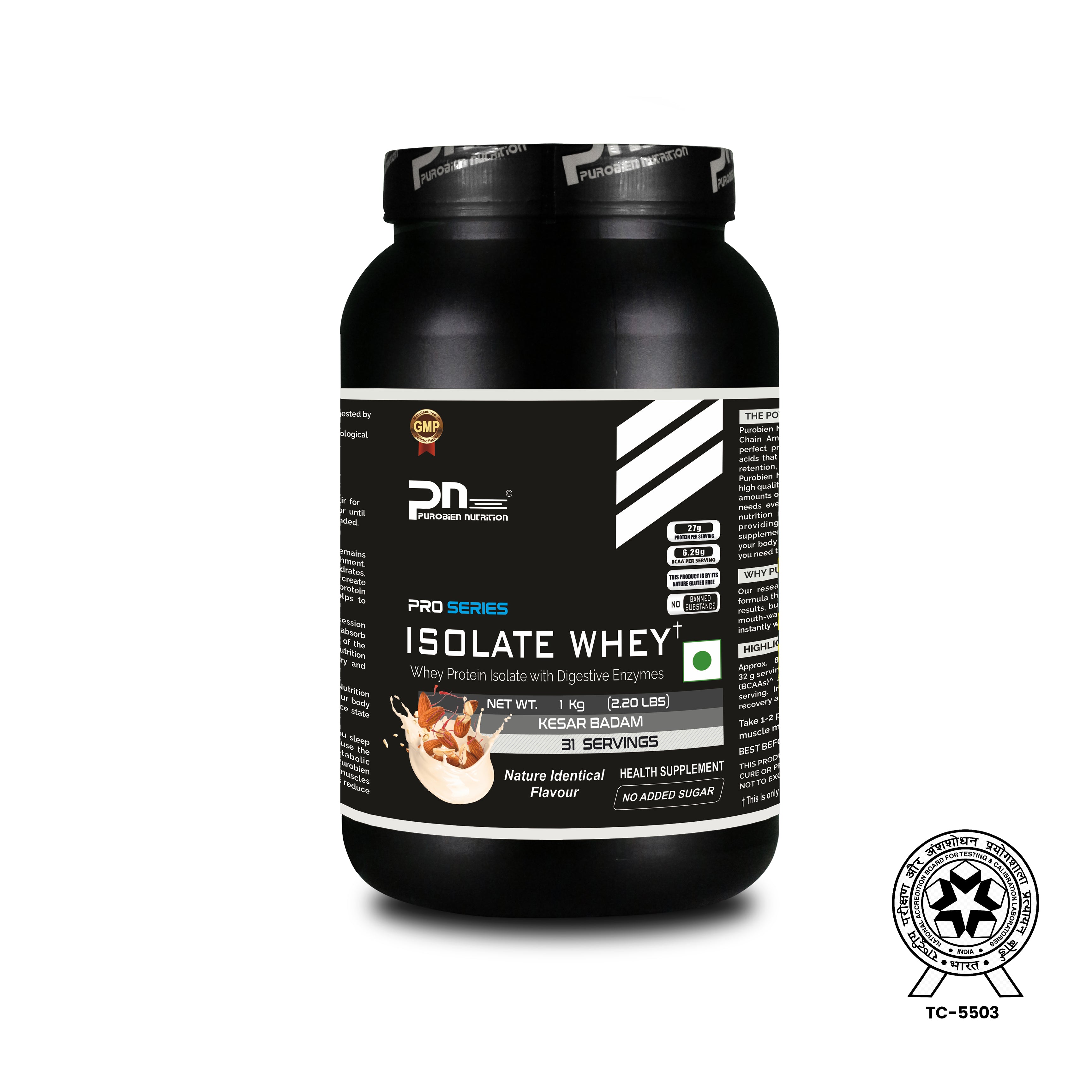
Purobien's pick: Isolate Whey Protein - delivers 27g of protein per serving, zero added sugar, NABL-certified quality, and added enzymes for rapid absorption. One of the cleanest isolate whey proteins available in India.
Hydrolysate is pre-digested whey - the protein chains are broken into smaller peptides for the fastest possible absorption. It is the most expensive form and is most commonly found in medical nutrition and elite sports performance products.
Best for: Post-surgery recovery, elite athletes with very specific performance needs.
|
Feature |
Concentrate |
Isolate |
Hydrolysate |
|
Protein % |
70–80% |
90%+ |
90%+ |
|
Lactose |
Moderate |
Minimal |
Minimal |
|
Fat |
Low |
Very low |
Very low |
|
Absorption speed |
Moderate |
Fast |
Fastest |
|
Price range |
Affordable |
Mid-premium |
Premium |
|
Best for |
Beginners |
Lean muscle / sensitive stomach |
Elite athletes |
After resistance training, muscle fibres develop micro-tears that repair and grow back stronger - a process called muscle protein synthesis (MPS). Whey protein, especially when consumed within 30–60 minutes post-workout, floods the bloodstream with amino acids and significantly accelerates MPS.
The average Indian diet - dals, roti, rice - is often adequate in calories but falls short in protein, especially for active individuals. The general recommendation for muscle-building is 1.6–2.2g of protein per kg of body weight per day. For a 70kg person, that's 112–154g of protein daily. Whey protein makes hitting that target simple, clean, and convenient.
Protein is the most satiating macronutrient. Studies consistently show that higher protein intake reduces hunger, increases metabolic rate through the thermic effect of food, and helps preserve lean muscle mass during a calorie deficit. If you're trying to lose fat without losing the muscle you've worked hard to build, whey protein is a crucial tool.
Meta-analyses of resistance training studies confirm that protein supplementation leads to significantly greater gains in strength and muscle size compared to training alone, particularly when protein intake is sufficient. Whey protein, combined with a structured training programme, meaningfully moves the needle.
Cooking chicken breast for five meals a day is not realistic for most people. A scoop of whey protein in a shaker bottle takes 30 seconds. It can also be added to smoothies, oats, pancake batter, or yoghurt for a high-protein meal with minimal effort.
A single serving of whey protein powder is typically one scoop (25–30g of powder), providing roughly 20–27g of protein depending on the product.
Recreational gym-goers (3–4 days/week): 1 scoop per day is sufficient when combined with a protein-rich diet.
Regular trainees (5+ days/week): 1–2 scoops per day, timed around workouts.
Beginners building a base: Start with 1 scoop post-workout and track total daily protein from all food sources.
Important: Whey protein is a supplement, not a meal replacement. Always prioritise whole food sources of protein (eggs, paneer, chicken, lentils, fish) and use whey to supplement the gap in your intake.
Do not exceed 2–3 scoops per day without guidance from a nutritionist. More protein does not always mean more muscle - the excess is simply metabolised as energy or excreted.
The post-workout window - roughly 30 to 60 minutes after training - is when your muscles are most primed to absorb and utilise protein for repair and growth. This is the most scientifically supported timing for whey protein consumption.
If your training is in the afternoon or evening, taking a scoop of whey in the morning with breakfast is an efficient way to boost daily protein and kickstart MPS after an overnight fast.
A whey shake between lunch and dinner prevents muscle breakdown (catabolism) during long gaps between meals and helps manage hunger.
Some athletes prefer taking whey 30–60 minutes before training for a sustained release of amino acids during the session, though this is less common than post-workout use.
Getting the right texture and taste from your protein shake is simple:
Cold water or milk: Add 200–250ml of cold water or low-fat milk to your shaker first.
Add the scoop: Always add powder after the liquid to prevent clumping at the bottom.
Shake vigorously: 10–15 seconds in a good shaker bottle should give you a smooth, lump-free shake.
Drink within 15–20 minutes of mixing for best taste and freshness.
Using a blender bottle with a wire whisk ball significantly improves texture compared to a regular bottle.
Whey protein is one of the most well-studied and safest supplements available. However, there are a few things to be aware of:
Digestive discomfort:
Some beginners experience bloating or gas, usually because of lactose sensitivity. Switching to a whey isolate (which has minimal lactose) typically resolves this completely.
Not suitable for those with dairy allergies:
Whey is derived from milk. People with a true dairy allergy (not just lactose intolerance) should opt for plant-based protein alternatives.
Excessive use can burden the kidneys in pre-existing conditions:
If you have any existing kidney condition, consult a doctor before adding any protein supplement to your diet.
Acne concerns:
Some people report breakouts when starting whey protein. This is often linked to the hormonal content of dairy and may improve by switching to plant-based protein or using a clean isolate.
For healthy individuals with no pre-existing conditions, consuming 1–2 scoops of whey protein daily is completely safe.
|
Whey Protein |
Plant Protein |
|
|
Completeness |
Complete (all 9 EAAs) |
Often incomplete (mix needed) |
|
Absorption |
Fast |
Moderate |
|
Leucine content |
High |
Lower |
|
Digestive tolerance |
Moderate–high |
High |
|
Best for |
Muscle gain, post-workout |
Vegans, dairy-sensitive individuals |
For most beginners who can tolerate dairy, whey protein remains the gold standard due to its superior amino acid profile, leucine content, and absorption speed. Plant proteins have improved significantly in recent years, but whey still holds a measurable advantage for muscle protein synthesis.
The Indian supplement market has hundreds of products, and quality varies dramatically. Here's how to filter out the noise:
Many brands inflate per-100g numbers. Look at the actual protein per serving on the nutrition label. A quality product should deliver at least 20g of protein per 30g scoop (a protein-to-powder ratio of ~66% or higher).
Certifications matter. In India, NABL (National Accreditation Board for Testing and Calibration Laboratories) accreditation is the gold standard. Purobien Nutrition's products are NABL-certified (TC-5503), tested at every stage from raw material sourcing to final production.
Some brands inflate their protein content numbers by adding cheap amino acids like taurine or glycine to the formula, which register as protein on tests but have none of whey's muscle-building benefits. Choose brands that are transparent about their ingredient list.
A lean, clean protein should not be hiding 10–15g of added sugar per serving. Read the carbohydrate and sugar lines on the nutrition label carefully.
Products made in WHO-GMP (Good Manufacturing Practice) certified facilities follow strict pharmaceutical-grade production standards. This matters for both safety and consistency across batches.
Purobien Nutrition, founded in 2019 and backed by Purobien Lifesciences Private Limited with over 15 years of pharma industry experience, was built specifically to address the demand for honest, high-quality protein supplements in India.
Here's what sets Purobien apart:
NABL-Certified Testing (TC-5503): Every batch is independently tested for purity and potency.
WHO-GMP Certified Facility: Pharmaceutical-grade manufacturing standards applied to every product.
Dope Free: Safe for competitive athletes.
Globally Sourced Ingredients: Raw materials selected from international suppliers for consistency and quality.
No Amino Spiking, No Fillers: What you read on the label is exactly what's in your scoop.
For Beginners Wanting Clean Value:
👉 Pro Active Whey Protein Concentrate - 21g protein per serving | Creatine + Amino Acids + Digestive Enzymes | From ₹2,199
For Beginners Wanting Maximum Purity:
👉 Isolate Whey Protein - 27g protein per serving | Zero added sugar | NABL Certified | From ₹3,150
Both products are available in delicious Indian-inspired and classic flavours, including Kesar Badam - a uniquely Purobien choice that reflects the brand's commitment to building for Indian consumers, not just importing generic global products.
Whey protein is safe to consume without exercise, but its benefits are maximised when combined with resistance training. Without sufficient physical stimulus, extra protein is simply used for energy or excreted. If you're not training, focus on whole food protein sources first.
For teenagers engaged in regular sport or training, whey protein is generally safe in moderate amounts. However, it should complement - not replace - a balanced diet. Parental guidance and, ideally, consultation with a sports nutritionist is recommended.
No. Muscle growth requires a calorie surplus and consistent progressive overload in training over months to years. Whey protein alone will not make you bulky. For most beginners, it supports lean muscle development, not bulk.
Yes. Muscle repair and protein synthesis continue for 24–48 hours after a workout session, including rest days. Maintaining adequate protein intake on rest days supports recovery.
Post-workout (within 30–60 minutes of training) is the most effective timing for muscle recovery and growth. Morning consumption is the second most beneficial window, especially for those training later in the day.
If budget is a consideration, start with a quality whey concentrate like Purobien Pro Active. If you experience digestive issues, are lactose-sensitive, or want the cleanest possible product, upgrade to whey isolate like Purobien Isolate Whey.
Combined with consistent training, most beginners notice improved recovery (less soreness) within 2–3 weeks. Visible muscle changes typically take 6–12 weeks of consistent training and nutrition.
Purobien Nutrition products carry an authentication feature. You can verify your product's authenticity directly at purobiennutrition.com/pages/authenticate.
Whey protein is not magic. It will not transform your body overnight. But as a tool within a consistent training programme and a well-structured diet, it is genuinely one of the most effective supplements you can add - especially in India, where reaching daily protein targets through food alone is challenging.
For most beginners:
Start with 1 scoop post-workout daily.
Choose a clean product with third-party certification.
Track your total daily protein from all sources.
Be patient - results come from weeks and months, not days.
If you're ready to take that first step, Purobien Nutrition's Isolate Whey and Pro Active Whey are built specifically for the Indian fitness enthusiast who refuses to compromise on quality.
Explore the full Purobien range at purobiennutrition.com

Best Pre Workout in India (2026): Complete Buyer's Guide for Indian Gym-Goers
Previous post
Complete Post Workout Recovery Guide: What to Do After Every Training Session
Next post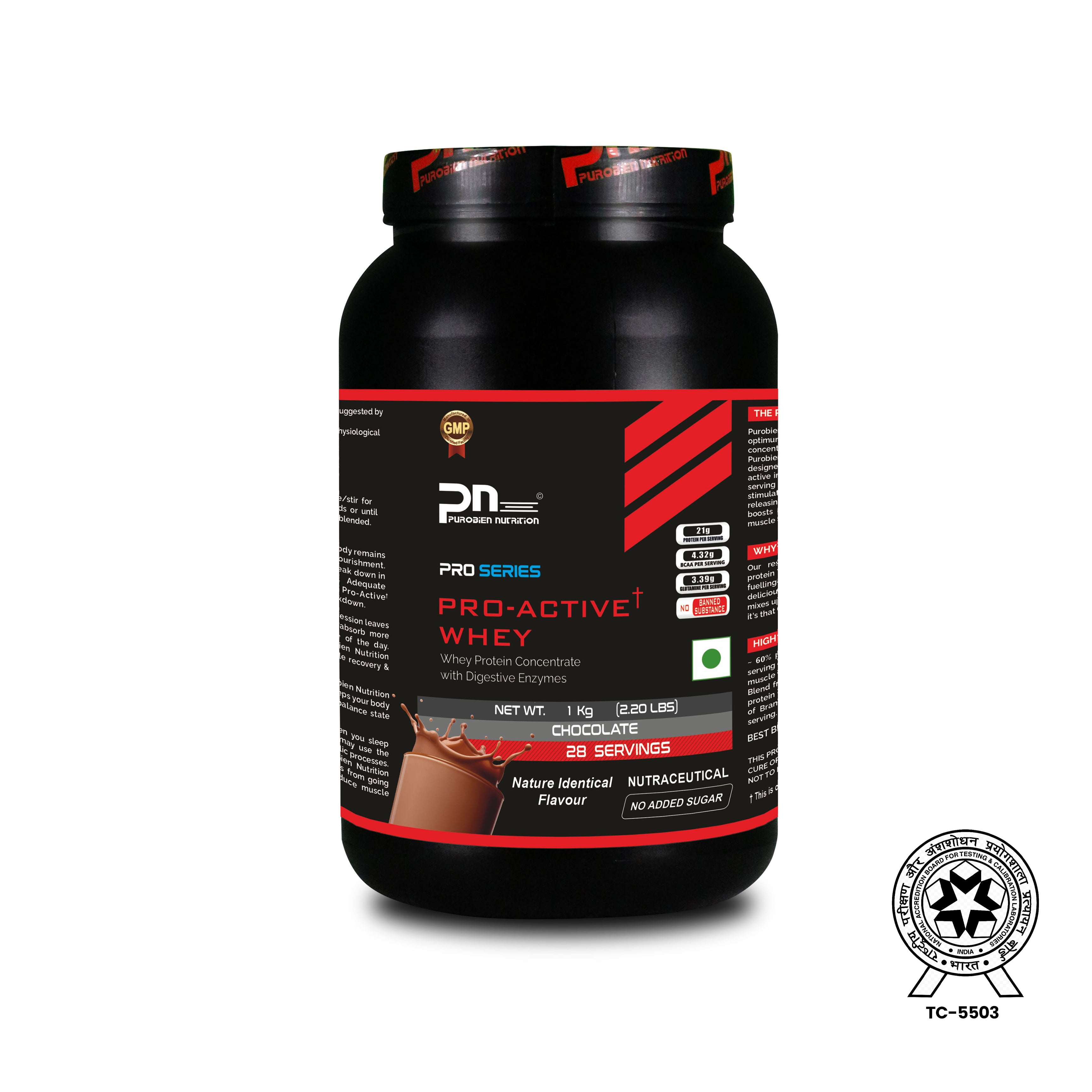
0 comments