
Cart
Your Shopping Cart is Empty
Most people obsess over what happens inside the gym - how heavy they lift, how many sets they do, which split they follow. But here's what the science consistently shows: you do not grow or get stronger during your workout. You grow during recovery.
When you train, you are deliberately stressing your muscles, breaking down fibres, depleting glycogen, and creating metabolic fatigue. The workout is the stimulus. Recovery is the response - and it is where every adaptation your body makes actually happens.
Skip recovery, and your training stops working. You plateau, you get injured, you stay perpetually sore, and your performance drops. Master recovery, and the same sessions start producing compounding results.
This guide is your complete, science-backed roadmap to post-workout recovery - covering nutrition, hydration, supplements, sleep, and active recovery techniques, with clear recommendations at each step.
Understanding the physiology of recovery helps you make smarter decisions about what your body needs after training.
Resistance training causes mechanical stress and micro-tears in muscle fibres. This is a natural and necessary process - the breakdown is the stimulus for rebuilding. The goal post-workout is to shift the body from a catabolic (breaking down) state to an anabolic (building up) state as quickly as possible.
Your muscles run on glycogen - the stored form of carbohydrate. Depending on workout intensity and duration, glycogen stores can be significantly depleted after training. Replenishing these stores is critical for energy and for triggering an anabolic hormonal response.
Micro-damage from training triggers localised inflammation - this is what causes Delayed Onset Muscle Soreness (DOMS), typically peaking 24–72 hours after exercise. Moderate inflammation is a healthy part of adaptation; chronic, unresolved inflammation from under-recovery is not.
You lose fluids and electrolytes (primarily sodium, potassium, and magnesium) through sweat during training. Even mild dehydration (1–2% body weight) measurably impairs both physical and cognitive performance.
The "anabolic window" - the post-workout period when the body is primed to use nutrients for repair - is real, but wider than commonly believed. While getting protein and carbohydrates within 30–60 minutes post-workout is optimal, research shows muscle protein synthesis remains elevated for 24–48 hours after training. This means your entire day's nutrition - not just one post-workout shake - matters for recovery.
Nutrition is the foundation of recovery. Without the right macronutrients delivered at the right time, no amount of sleep or supplementation can fully compensate.
Protein provides the amino acids needed to repair damaged muscle fibres and synthesise new ones. The research is clear and consistent: consuming protein post-workout significantly enhances muscle protein synthesis (MPS) compared to training without protein.
How much: 20–40g of high-quality protein immediately after training.
Why this amount: Research shows that ~20–40g is the dose that maximally stimulates MPS in most individuals. More protein does not proportionally increase the anabolic response.
Best sources: Whey protein (fastest absorption), eggs, chicken, paneer, fish.
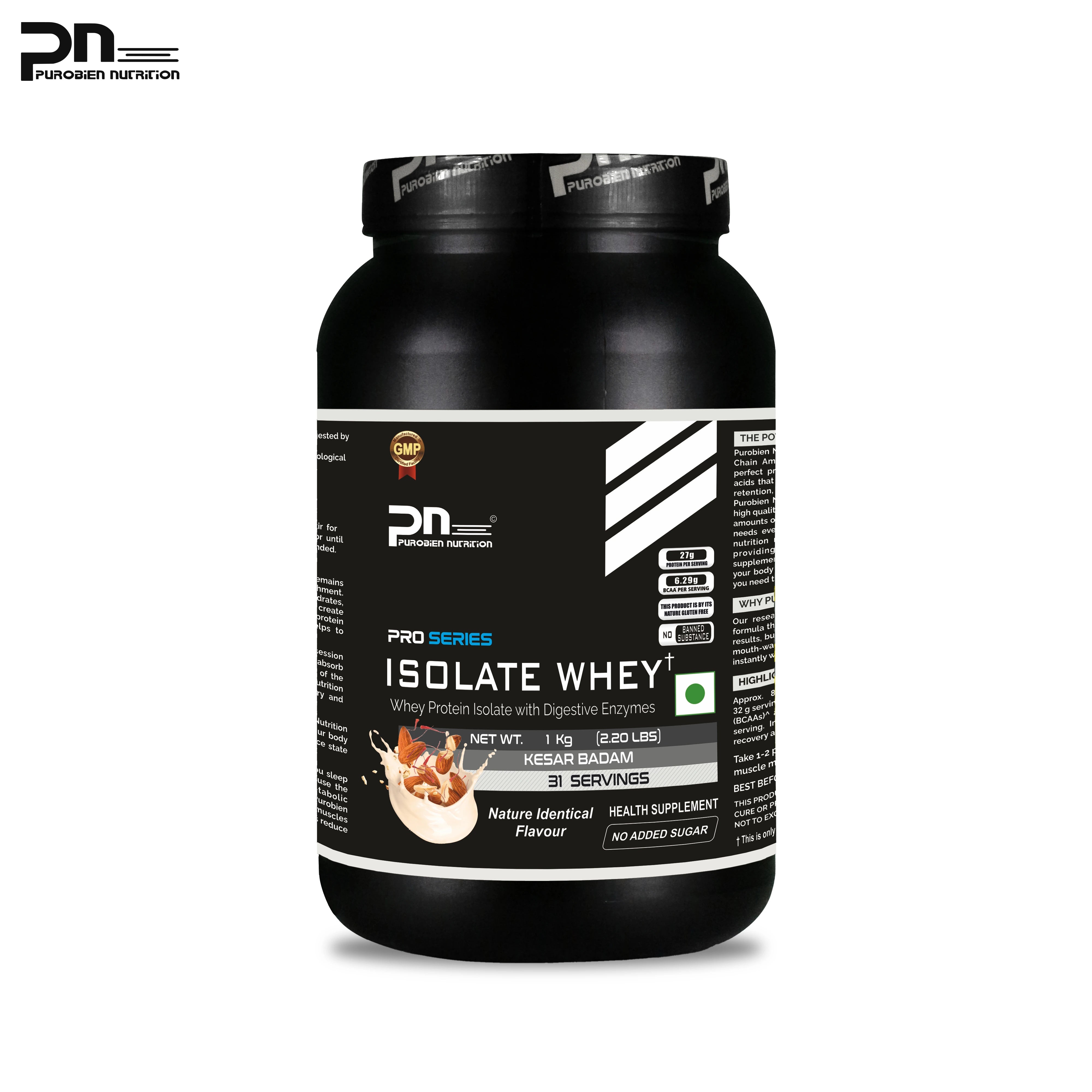
For post-workout protein, Purobien's Isolate Whey Protein delivers 27g of protein per serving with zero added sugar and added digestive enzymes for rapid absorption - precisely what depleted muscles need within that first post-workout window. NABL-certified (TC-5503) and manufactured in a WHO-GMP facility.
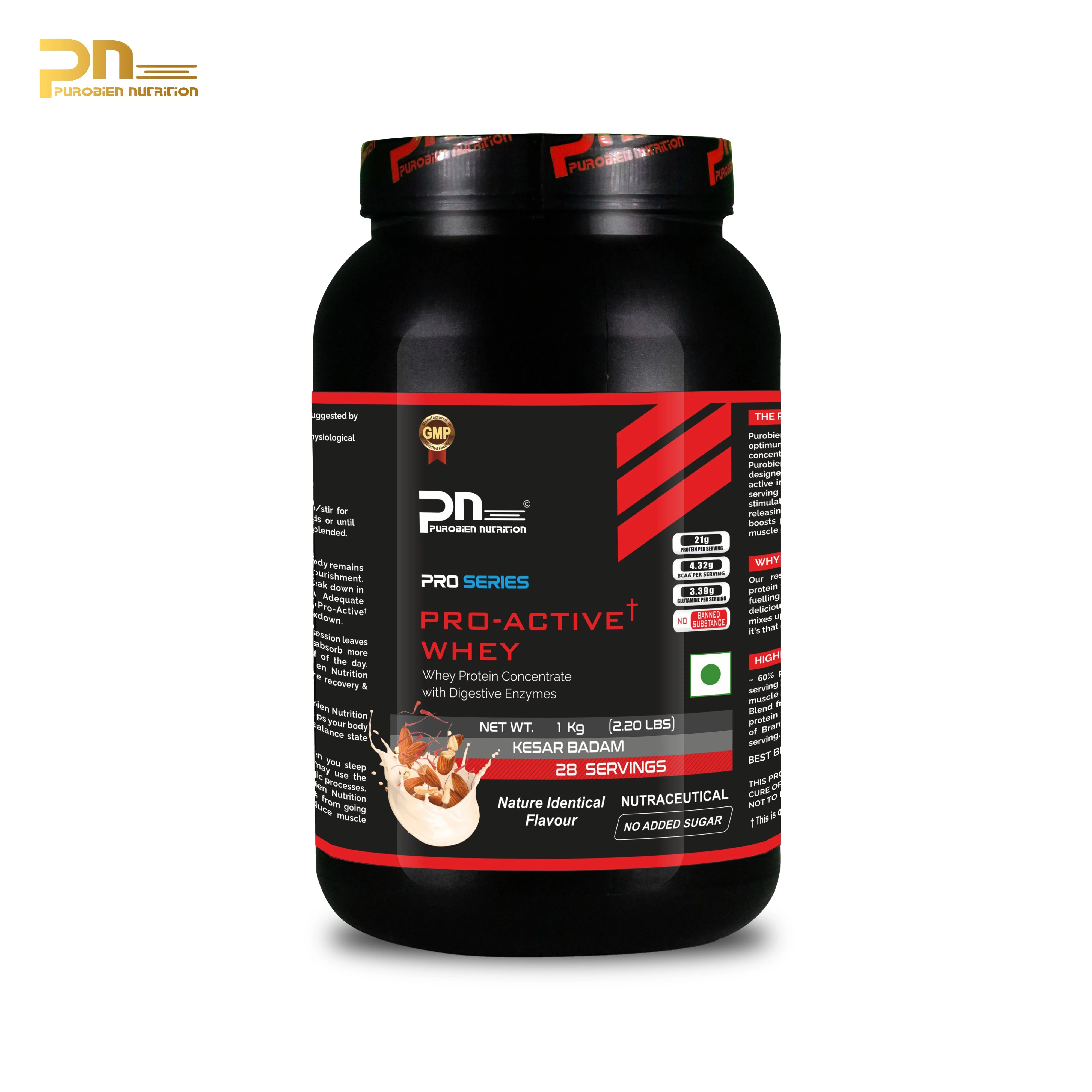
If you want solid protein with added creatine and amino acids for an extra recovery edge, Pro Active Whey Protein Concentrate delivers 21g of protein per serving with a fuller recovery formula.

Carbohydrates post-workout serve two critical functions: replenishing depleted glycogen stores and triggering an insulin response that drives amino acids into muscle cells. Skipping carbs post-workout, especially after high-intensity or endurance sessions, significantly slows recovery.
How much: 0.5–1g of carbohydrate per kg of body weight within 60 minutes post-workout.
For a 70kg person: 35–70g of carbohydrates.
Best sources: Rice, banana, sweet potato, oats, roti.
The Protein + Carb Combination: Consuming protein and carbohydrates together post-workout produces a greater anabolic and glycogen-replenishing response than either alone. A whey shake alongside a banana or a bowl of rice and dal is a simple, effective post-workout meal.
Dietary fat is essential for hormones and overall health, but high-fat meals immediately post-workout slow gastric emptying and delay the delivery of protein and carbohydrates to muscles. Save larger fat intake for later meals - your post-workout meal should prioritise protein and carbs.
Rehydration after training is often underestimated as a recovery tool. Water supports nutrient delivery to muscle cells, waste product removal, and body temperature regulation - all active processes during the post-workout recovery phase.
Rehydration guidelines:
For every 1kg of body weight lost during training (check pre- and post-weight), consume approximately 1.5 litres of fluid to fully rehydrate.
As a baseline, aim for at least 500ml–1 litre of water in the hour following your workout.
Electrolytes matter, not just water: Plain water without electrolytes can dilute blood sodium, impairing recovery. Sodium (found in food), potassium (bananas, coconut water), and magnesium (nuts, seeds, dark leafy greens) are the key electrolytes to restore post-training.
Whole food and hydration handle the majority of recovery needs. Targeted supplements address the gaps - accelerating processes that diet alone may not optimise fully.
Glutamine is the most abundant amino acid in the body and plays a central role in muscle repair, immune function, and gut health. During intense training, muscle glutamine levels can drop significantly, suppressing both immune function and recovery speed.
Supplementing with glutamine post-workout helps:
Accelerate muscle tissue repair
Reduce DOMS severity and duration
Preserve immune function during heavy training blocks
Support gut integrity (particularly useful during high-volume training phases)
Dosage: 5g of L-Glutamine immediately post-workout, dissolved in your protein shake or water.
Purobien Recommendation:
Purobien L-Glutamine delivers 5g of pure glutamine per serving, unflavoured and easy to stack with any protein shake. At just ₹911, it is one of the most cost-effective recovery additions in the Purobien range.

Creatine is the most well-researched performance supplement in existence. Beyond its well-known role in strength and power output, creatine also supports cellular hydration, reduces exercise-induced cell damage, and helps replenish ATP stores used during training. Timing is flexible - post-workout is a common and effective time to take it.
Dosage: 3–5g daily. No loading phase is required.
Intense training depletes micronutrients - particularly B vitamins (energy metabolism), Vitamin C (antioxidant, collagen synthesis), Vitamin D (muscle function, hormones), magnesium (muscle relaxation, sleep), and zinc (testosterone, immune function). A quality multivitamin covers these gaps, especially on high-volume training days.
Purobien Recommendation:
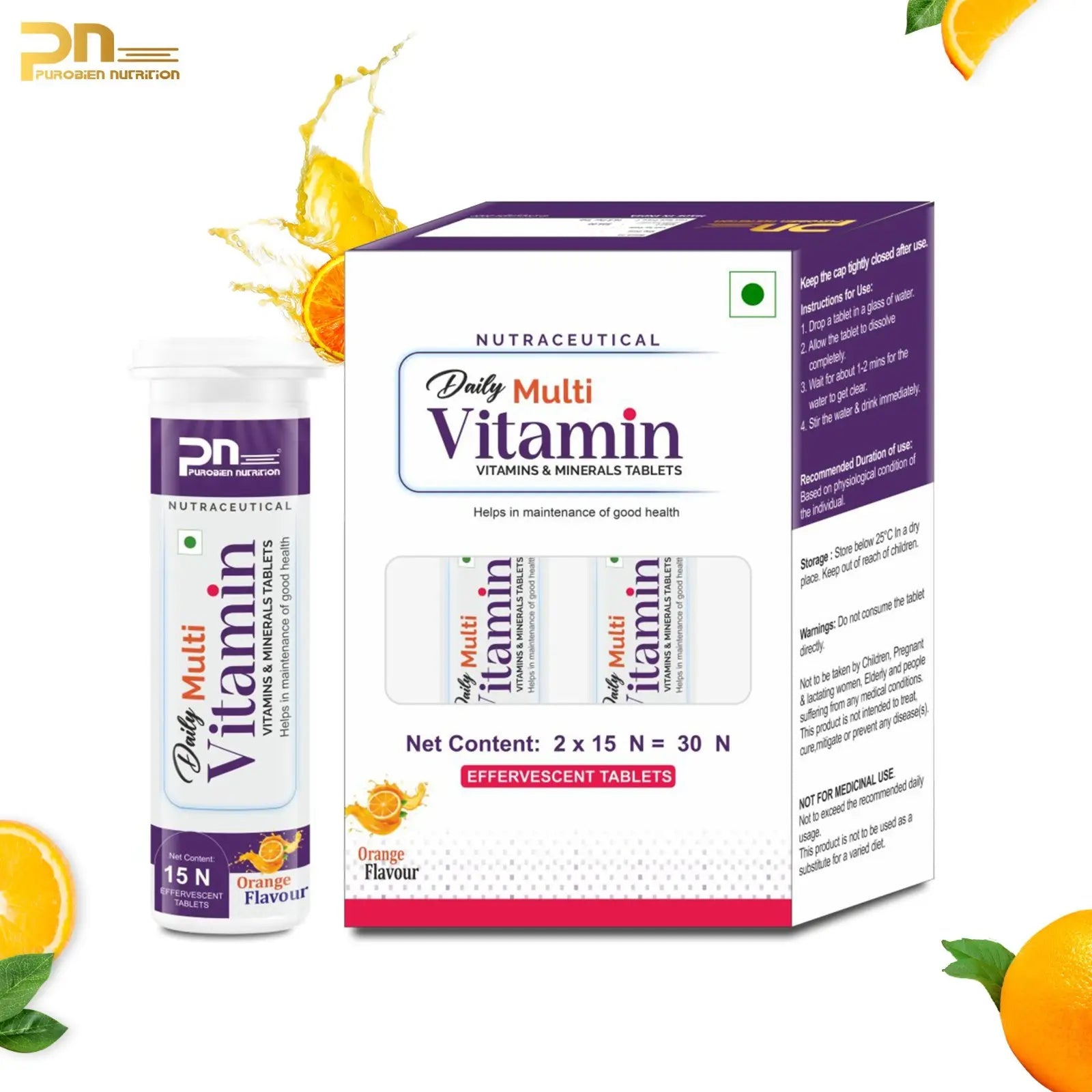
Purobien Multivitamin Effervescent Tablets contain 21 essential vitamins and minerals, including beetroot extract for antioxidant support and improved blood flow - convenient, fast-dissolving, and easy to take post-workout.
Recovery is not just about muscles. Connective tissue - tendons, ligaments, and cartilage - is placed under enormous stress during training and has a slower recovery timeline than muscle. Neglecting joint health is a primary driver of long-term overuse injuries in active individuals.
Purobien Recommendation:
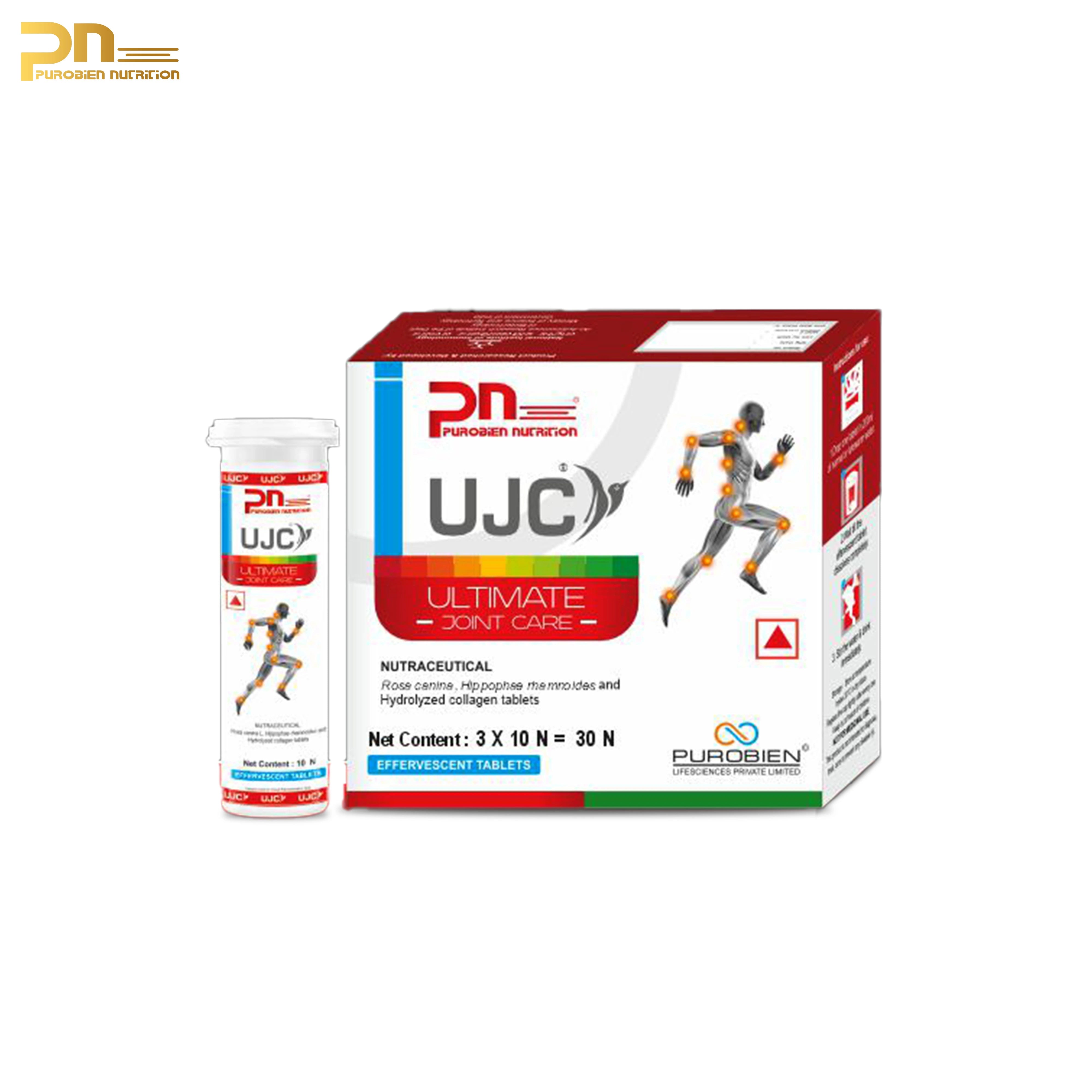
Ultimate Joint Care (UJC) Effervescent Tablets are specifically formulated for athletes and fitness enthusiasts, supporting joint mobility, reducing discomfort, and aiding recovery from training stress on connective tissue.
Sleep is the single most potent recovery intervention available. No supplement, no ice bath, no massage can replace what 7–9 hours of quality sleep does for athletic recovery.
During deep sleep (slow-wave sleep), the pituitary gland releases the majority of your daily human growth hormone (HGH). HGH drives muscle protein synthesis, fat metabolism, and tissue repair. Cutting sleep short directly suppresses this hormonal cascade.
What the research shows:
Athletes sleeping fewer than 6 hours per night show measurably impaired reaction time, strength output, and endurance compared to those sleeping 8+ hours.
One week of sleep restriction (6 hours/night) can reduce anabolic hormone levels by up to 15%, negating weeks of quality training.
Perceived exertion increases with sleep deprivation - the same workout feels harder on less sleep, not because you are weaker, but because your nervous system is impaired.
Practical Sleep Optimisation for Athletes
Maintain a consistent sleep schedule. Your circadian rhythm regulates hormonal release timing. Going to bed and waking at the same time daily - including weekends - optimises the quality and hormonal output of your sleep.
Create a cool, dark sleep environment. Core body temperature must drop by approximately 1°C for sleep onset. A room temperature of 18–20°C is optimal for most people.
Avoid screens 60 minutes before bed. Blue light from devices suppresses melatonin production, delaying sleep onset and reducing sleep quality.
Limit alcohol. Even moderate alcohol consumption suppresses REM sleep and reduces GH secretion, directly impairing recovery even when it helps you fall asleep faster.
Eat a protein-rich meal or casein shake before bed. Slow-digesting protein (casein, found in milk and cottage cheese / paneer) consumed before sleep sustains MPS overnight, extending the recovery period by 7–8 hours.
Complete rest after every session is not always optimal. Light activity on recovery days - known as active recovery - promotes blood flow, accelerates waste product clearance, and reduces DOMS without adding training stress.
Low-intensity walking: A 20–30 minute walk increases blood flow to muscles without creating additional fatigue. Simple, free, and highly effective for reducing next-day soreness.
Foam rolling (self-myofascial release): Foam rolling the major muscle groups for 5–10 minutes post-workout and on rest days reduces muscle tightness and improves range of motion. Focus on the calves, quads, IT band, and thoracic spine - common areas of tightness in regular trainees.
Light stretching: Static stretching for 15–30 seconds per muscle post-workout (after the muscles are warm) helps maintain flexibility and reduces the perception of soreness.
Swimming or cycling: Low-impact modalities that maintain blood flow without joint loading - ideal for recovery days between heavy resistance sessions.
Cold exposure - cold showers, ice baths, or contrast therapy - constricts blood vessels, reducing localised inflammation and acute soreness. It is particularly effective for athletes with back-to-back training days.
Practical note: While CWI reduces soreness effectively, some evidence suggests that chronic use immediately post-resistance training may blunt hypertrophy adaptations by suppressing the inflammatory signals that drive muscle growth. Use strategically - ideal for competition periods or when rapid recovery between sessions is the priority over maximising muscle size.
Psychological stress and physical stress share the same hormonal pathways. When cortisol - the primary stress hormone - is chronically elevated from life stress, it directly competes with anabolic hormones like testosterone and GH, impairing recovery.
Practical strategies:
Breathwork: Diaphragmatic breathing or box breathing (4 seconds inhale, 4 hold, 4 exhale, 4 hold) activates the parasympathetic nervous system, shifting the body from a stress response to a recovery state. Even 5 minutes daily makes a measurable difference.
Meditation: Regular mindfulness practice measurably reduces cortisol levels and improves sleep quality.
Training periodisation: Overtraining is not only a physical issue - it is a stress management issue. Build deload weeks into your programme every 4–6 weeks to allow systemic recovery.
Use this structured protocol immediately and in the hours following every training session:
✅ Consume 20–40g of fast-absorbing protein (e.g., Purobien Isolate Whey - 27g per serving)
✅ Add 5g of L-Glutamine to your shake (e.g., Purobien L-Glutamine)
✅ Eat 35–70g of carbohydrates (banana, rice, roti)
✅ Drink 500ml–1L of water
✅ Light static stretching for 10 minutes
✅ Eat a complete whole-food meal (protein + carbs + vegetables)
✅ Take your daily multivitamin (e.g., Purobien Multivitamin Effervescent)
✅ Begin rehydration - continue drinking water through the evening
✅ Eat a slow-digesting protein source (paneer, curd, milk, or cottage cheese)
✅ 5–10 minutes of foam rolling or light stretching
✅ Screen-free wind-down 60 minutes before sleep
✅ Target 7–9 hours of sleep in a cool, dark room
✅ 20–30 minute walk or light activity
✅ Maintain daily protein and hydration targets
✅ Continue joint support supplementation (UJC)
✅ Prioritise sleep quality
1. Skipping the post-workout meal because "it's late."
Muscle protein synthesis does not wait for a convenient time. Even a small protein + carb combination at 10 PM is significantly better than nothing after a late training session.
2. Relying on soreness as a measure of progress.
DOMS is a symptom of novelty, not training quality. Experienced trainees who are well-recovered feel minimal soreness even after intense sessions. Chasing soreness by constantly changing workouts prevents adaptation.
3. Only drinking water during training and neglecting post-session rehydration.
Rehydration after exercise is as important as during it. Muscles cannot repair efficiently in a dehydrated state.
4. Treating recovery as optional.
Recovery is not the absence of training - it is training. Without it, progress stops. Program your recovery with the same intentionality as your workouts.
5. Overusing stimulants on rest days.
High caffeine intake on rest days elevates cortisol and disrupts sleep quality - the two things you most need rest days to manage. Limit caffeine after midday when recovery is the priority.
6. Neglecting joint health until something hurts.
By the time you feel joint pain, the damage is already accumulating. Proactive joint support through collagen-supporting nutrition and supplements like Purobien UJC prevents problems before they derail your training.
Priority: Protein synthesis and glycogen replenishment.
Focus on 25–40g protein + carbohydrates immediately post-workout. Add glutamine for muscle repair. Creatine (3–5g) supports ATP replenishment and reduces cell damage.
Priority: Glycogen replenishment and electrolyte restoration.
Carbohydrates take a slightly higher priority here - aim for 1g/kg body weight within 60 minutes. Add electrolytes through food or supplementation. Protein remains essential (20–30g) to prevent muscle breakdown.
Priority: Rapid replenishment and inflammation management.
HIIT creates significant metabolic stress. Fast-absorbing protein + simple carbohydrates + glutamine + adequate hydration are the priorities. An ice bath or cold shower is particularly well-suited to HIIT recovery due to the acute inflammatory load.
Priority: Speed of recovery between sessions.
When you train twice in one day, the window between sessions is everything. Protein + carbohydrates immediately after the first session, a full meal 1–2 hours later, and glutamine are the priority tools. Active recovery between sessions (light walk, stretching) is more beneficial than complete rest.
Purobien Nutrition, founded in 2019 and backed by 15+ years of pharmaceutical expertise through Purobien Lifesciences Private Limited, builds products specifically for the Indian fitness market - where heat, humidity, active lifestyles, and dietary patterns create unique recovery demands.
Every Purobien recovery product is:
NABL-Certified (TC-5503): Third-party tested at each stage from raw material to finished product.
WHO-GMP Certified: Pharmaceutical-grade manufacturing standards.
Dope Free: Safe for competitive athletes.
Globally Sourced Ingredients: International raw materials for consistent quality.
Transparent Labelling: What you see on the label is exactly what is in the product.
|
Goal |
Product |
Key Benefit |
|
Muscle repair & growth |
27g protein, zero sugar, fast absorption |
|
|
Protein + creatine combo |
21g protein + creatine + amino acids |
|
|
Muscle recovery & immunity |
5g pure glutamine, unflavoured |
|
|
Micronutrient replenishment |
21 vitamins & minerals + beetroot |
|
|
Joint & connective tissue |
Reduces discomfort, supports mobility |
Explore the complete Recovery After Training collection at Purobien Nutrition.
Consuming 20–40g of high-quality protein within 30–60 minutes post-workout is the single most impactful immediate action. Pairing this with 35–70g of carbohydrates accelerates both muscle repair and glycogen replenishment. Rehydration with at least 500ml of water should happen alongside this.
Yes. Even after a late-night session, consuming protein and carbohydrates before sleep is significantly better than nothing. The body does not stop repairing muscle tissue because it is late - it actually does much of its repair work during overnight sleep, making the pre-sleep protein intake especially valuable.
DOMS (Delayed Onset Muscle Soreness) is the muscle pain and stiffness that typically peaks 24–72 hours after unfamiliar or intense exercise. It is caused by micro-damage and the subsequent inflammatory response in muscle fibres. It can be reduced by: adequate protein and carbohydrate intake post-workout, L-glutamine supplementation, light active recovery (walking, stretching), cold exposure, and maintaining training consistency (DOMS decreases as the body adapts to a movement).
Yes, particularly during high-volume training phases. Glutamine is the most abundant amino acid in muscle tissue and is significantly depleted during intense training. Supplementing with 5g post-workout supports faster muscle repair, reduces DOMS, and maintains immune function - all of which are commonly suppressed during heavy training blocks.
7–9 hours per night is the recommended range for most active adults. Sleep is when the majority of human growth hormone (HGH) is secreted and muscle protein synthesis occurs at its highest rate. Athletes sleeping fewer than 6 hours consistently show measurably slower recovery, greater injury risk, and reduced performance output.
Mild to moderate soreness is generally fine to train through - the increased blood flow from training can actually accelerate recovery. However, severe soreness or pain, particularly in joints or connective tissue, warrants rest. If a specific muscle group is severely sore, train a different body part that day rather than pushing through and risking injury.
Rest days involve minimal physical activity and allow full systemic recovery. Active recovery days involve light, low-intensity movement (walking, gentle yoga, swimming) that promotes blood flow and waste removal without adding training stress. Active recovery is often more effective than complete rest for reducing soreness and improving next-session performance, as long as the activity is genuinely low-intensity.
Yes - these supplements complement each other and can be taken together safely. A common protocol is: add Purobien L-Glutamine (5g) directly to your Purobien Whey shake, then take the Purobien Multivitamin Effervescent tablet dissolved in a separate glass of water post-workout.
The athletes who make the fastest, most consistent progress are not necessarily the ones who train hardest. They are the ones who recover best.
Every session you do is an investment. Post-workout recovery - the right nutrition, targeted supplements, quality sleep, active movement, and managed stress - is how you collect the returns on that investment.
Build a recovery protocol with the same seriousness as your training programme, and the results will come faster, last longer, and carry fewer injuries along the way.
Start building your post-workout recovery stack at purobiennutrition.com

Beginner's Guide to Whey Protein: Everything You Need to Know Before Your First Scoop
Previous post
Effervescent vs Regular Tablets: Which Is Better for Joint Health?
Next post
0 comments