
Cart
Your Shopping Cart is Empty
We’ve all been there. You finish a solid workout, drink your protein shake to kickstart recovery, and thirty minutes later... the bloat hits. If you’ve ever felt gassy, heavy, or just plain uncomfortable after a shake, you aren't alone. In fact, digestive distress is the #1 reason people stop taking protein supplements altogether. But before you toss your tub in the trash, here’s a reality check: The protein isn’t the enemy - it’s usually the form of that protein or how you’re consuming it.
In this guide, we’re going to dive into why your stomach is acting up and give you a step-by-step plan to fix your digestion instantly.
Most whey protein is derived from milk, which means it naturally contains lactose. If your body doesn't produce enough lactase (the enzyme that breaks down milk sugar), you end up with gas, cramps, and bloating. This is incredibly common, especially across India, where many adults have some level of lactose sensitivity.
Cheap protein powders are often "bulked up" with artificial thickeners, gums, and low-quality whey concentrates. These fillers are difficult for the gut to process, leading to that "heavy brick" feeling in your stomach.
Protein is a complex macronutrient. To turn that shake into muscle, your body needs enzymes like Protease to break down the protein chains. If your body is overwhelmed by a large scoop and doesn't have enough enzymes ready, the protein just sits there and ferments.
Drinking 30g of protein in ten seconds flat overloads your system. When you consume too much too fast, it can lead to gut fermentation and unwanted air intake, both of which cause immediate bloating.
Mixing whey concentrate with milk is a "double lactose" disaster. Even if you aren't fully intolerant, this massive dairy load is often too much for the average digestive system to handle post-workout.
If you experience these regularly, your current supplement is doing more harm than good:
Frequent gas or embarrassing "protein farts."
Stomach cramps shortly after consumption.
A "heavy" feeling that lasts for hours.
Irregular digestion or sudden trips to the bathroom.
Isolate is filtered more thoroughly than concentrate, removing the majority of the lactose and fat. It’s leaner, faster to absorb, and much easier on the stomach.
Check your label for DigeZyme® or specific enzymes like Protease. These ingredients act like "micro-scissors," cutting the protein into tiny pieces so your body can absorb them effortlessly without the gas.
It’s a simple change, but mixing your protein with water instead of milk lightens the digestive load significantly. Your gut will thank you.
If one big scoop triggers bloating, try "micro-dosing." Use a half-scoop twice a day. It’s the same amount of protein, but your gut can process it much more effectively.
Water is the engine of digestion. Ensuring you drink enough water throughout the day helps move the protein through your system and prevents it from sitting stagnant in your gut.
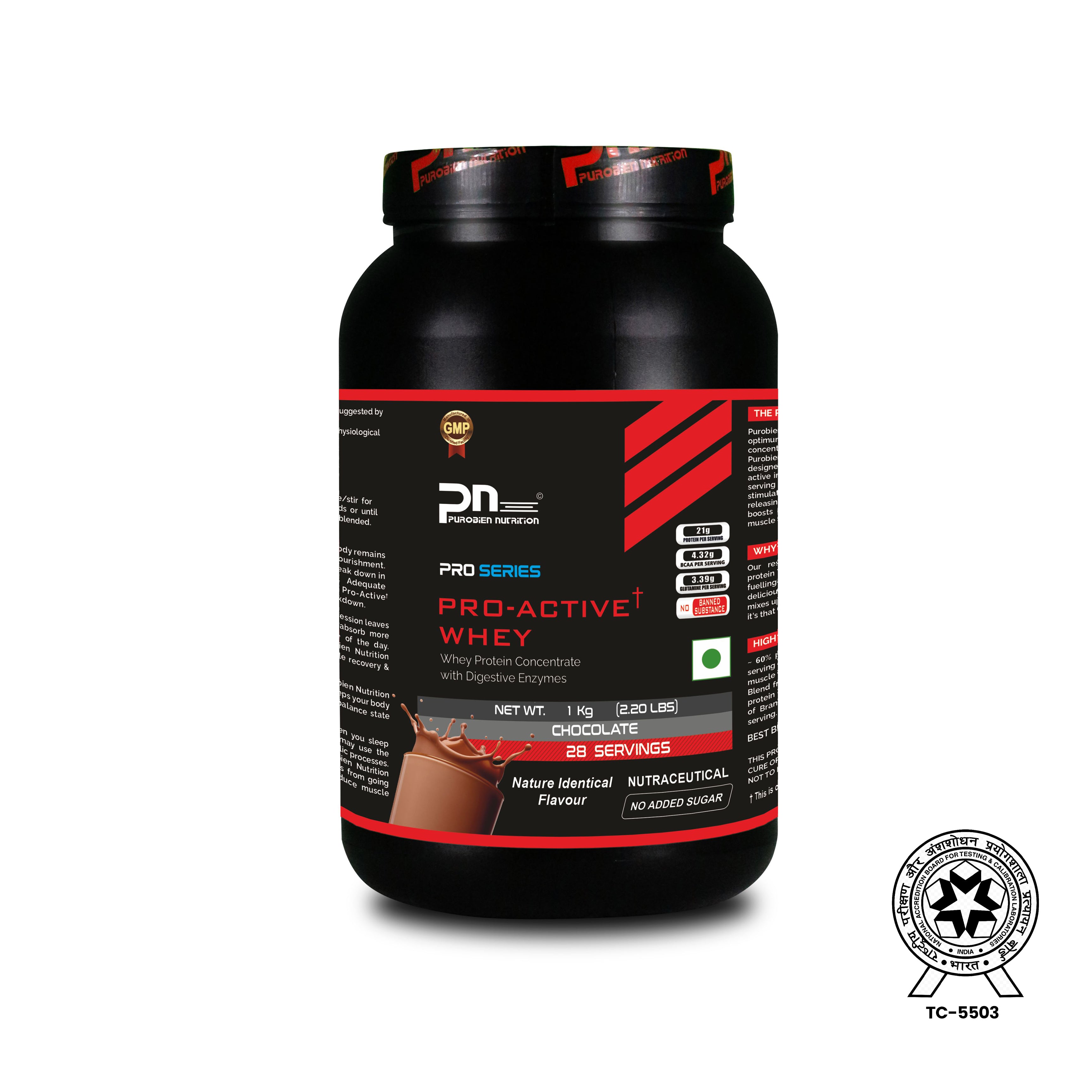
When it comes to a gut-friendly formula, Pro Active Whey by Purobien Nutrition is a standout. It was specifically designed for the Indian consumer who needs high performance without the digestive baggage.
Fortified with DigeZyme: No more guessing games with your gut.
High Bioavailability: You actually absorb what you drink.
Zero Bloat Formula: Designed to feel light and clean.
Pro Tip: To maximize gut health, try stacking your protein with L-Glutamine. It helps repair the gut lining and works wonders for long-term digestive comfort.

No. Protein is essential! The issue is usually low-quality ingredients or a type (like concentrate) that doesn't fit your specific digestion.
A clean Whey Isolate with added digestive enzymes is the gold standard for anyone with a sensitive stomach.
Absolutely. Just start with a high-quality isolate to ensure your first experience isn't ruined by stomach pain.
Protein is meant to fuel your gains, not make you feel miserable. By switching to a cleaner protein source and supporting your gut with enzymes, you’ll see better recovery, more energy, and zero bloating.
Ready for a better shake? Switch to a clean, enzyme-supported protein like Purobien Nutrition and feel the difference in your very first scoop.

Whey Isolate vs. Whey Concentrate: Which One Should You Choose?
Previous post
What is a Pre Workout Supplement? Beginner Guide (India)
Next post
1 comments
posted by Nikunj
Experiencing gas or heaviness after drinking a shake is a common issue that often boils down to poor-quality fillers or lactose sensitivities. Switching to cleaner formulas equipped with digestive enzymes can make a world of difference in how your gut processes post-workout nutrition. If you are looking to upgrade your supplement stack to a zero-bloat option, be sure to use an Ace Blend coupon code when placing your order. It is a smart way to enjoy smooth digestion and high-performance nutrition while saving extra on your purchase. Ace Blend coupon code